
Data centres have become the fastest-growing real estate asset class in Lagos, according to the Lagos Real Estate Development Pipeline Report 2025/2026 Edition published by Estate Intel.The report projects that Lagos’ total data centre capacity will exceed 218 megawatts (MW) by 2030, representing more than 3.7 times the current capacity of 78.6MW. This growth reflects a structural shift in Nigeria’s property market as investors and developers increasingly prioritise digital infrastructure in response to surging demand for cloud services, AI, fintech, and content hosting.
What the report is saying
Estate Intel attributes this trend to a broader macroeconomic and digital pivot in Nigeria. The report noted: “In response to Nigeria’s transition to economic recovery, development starts and pipeline activity across multiple property sectors are growing at a notably faster pace.” But it is the data centre sector that has outpaced all others:
“The data centre sector stands out as the fastest growing asset class, with a development pipeline that is 186.37% of the estimated total stock, as supply pushes towards 218MW+ by 2030.”
As of 2025, Lagos accounts for the bulk of Nigeria’s operational and planned data centre activity.The city currently hosts over 20 facilities with a combined capacity of 78.6MW, but with an additional 146.5MW+ under development, the pipeline alone represents a 186.37% increase over existing stock.
Landmark Projects Signal Investor Confidence Several mega-projects are at the heart of Lagos’ data centre expansion. These include:
- 21st Century Technologies’ 50MW data centre in Ikeja
- Airtel’s 38MW Nxtra facility located in Eko Atlantic
- Open Access Data Centres’ 24MW development in Ilasan
- Other projects by MTN, Kasi Cloud, and Jovis Nigeria Limited are also in advanced stages of planning or construction, adding depth and competition to the market.The report also points to international players as validation of the market’s potential stating that the entry and expansion of global operators. For example, operators such as Equinix, Digital Realty, and Open Access Data Centres highlight Lagos’ growing appeal as a digital infrastructure hub in Africa.
Short-Term Imbalance Between Capacity and Demand Despite the sector’s bullish outlook, Estate Intel raised concerns about underutilisation in the short term. As new facilities come online, utilisation rates have not kept pace, creating the potential for elevated vacancy levels: “Installed capacity is expanding faster than utilised capacity, raising the likelihood of higher vacancy levels as new stock is delivered ahead of full demand absorption.”
Nevertheless, the report concludes that the market remains balanced, due to the strategic, long-term nature of data centre investments and Nigeria’s rising digital needs.
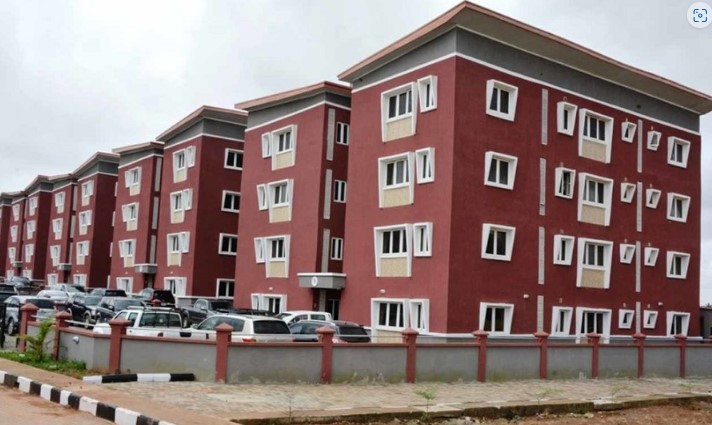
Broader Real Estate Market Shows Uneven Momentum The report also examined Lagos’ wider property market, noting improving but uneven recovery across segments: Estate Intel estimates that 34,800 housing units are currently in the pipeline, far below the estimated 2.7 million-unit housing deficit in Lagos. Developers continue to focus on the luxury and deluxe segments, where returns are more resilient to inflation and currency pressures. Residential rents rose during the year as landlords adjusted pricing upward to offset the impact of currency devaluation,” the report stated.
Despite price pressures, occupancy remained stable: “Strong underlying demand ensured that vacated units were quickly reoccupied, keeping net absorption levels high.” Hospitality Sector Recovery Slow but Promising In the hospitality sector, over 3,700 hotel keys are expected to be delivered between 2026 and 2029. The report noted that prolonged uncertainty in the business environment had delayed new developments in recent years, pushing completion timelines further out. A more positive trend is expected as Nigeria’s macroeconomic indicators improve, unlocking delayed projects and stimulating new investments in hotels and serviced apartments.
Office Market Remains Tenant-Led
Estate Intel observed modest improvements in the office segment, including rising occupancies and higher absorption rates.It stated that most new office developments were driven by owner-occupiers rather than speculative investors, reflecting cautious sentiment despite improving market fundamentals.The market remains tenant-led, with limited speculative builds, as developers prioritise pre-leased and build-to-suit projects.
What this means
The Estate Intel report paints a picture of a Lagos real estate market in transition —moving beyond traditional housing and office assets into future-facing sectors like data centres.
- With large-scale digital infrastructure developments now commanding a significant share of the pipeline, the sector is redefining real estate investment patterns.
- While utilisation risks exist in the short term, the long-term drivers — digital transformation, cloud adoption, and Nigeria’s growing tech ecosystem suggest data centres will remain a key growth engine for Lagos’ property market.
- The continued interest of global infrastructure players further underlines this transformation.
Source- Nairametrics.
Babajide Okusaga & co are Chartered Surveyors and Real Estate Consultants with expertise in Agency, Investment, Management, and Syndication (AIMS). We are known for being client-focused and results-driven, aiming to connect clients with their specific real estate needs such as sales, letting, joint ventures, and partnerships.
We dedicate time and energy to ensure clients’ satisfaction by helping them find the best-suited real estate solutions. Whether it’s leasing office space, financing a first home, purchasing a new factory, or managing an investment portfolio, Babajide Okusaga & Company caters to the considerations of corporate entities, individuals, and High Net Worth Individuals (HNIs).
2025RealEstateOutlook #NigerianPropertyMarket #AffordableHousingNigeria RealEstateInvestmentNigeria #PropertyValueAppreciation #NigerianHousingMarket